When the Ice Age meets the table
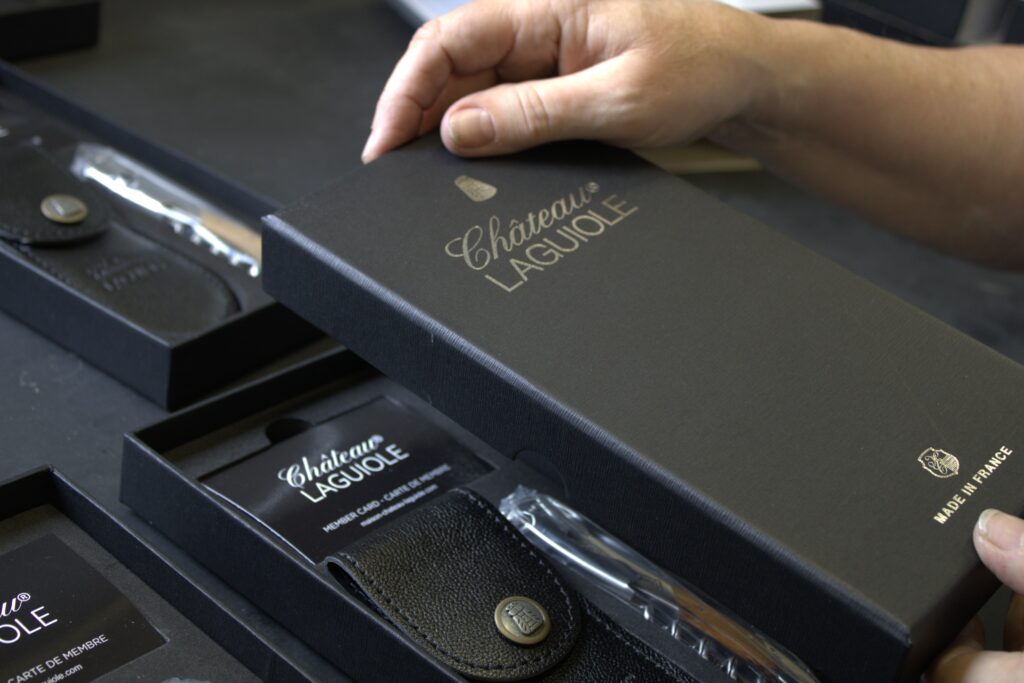
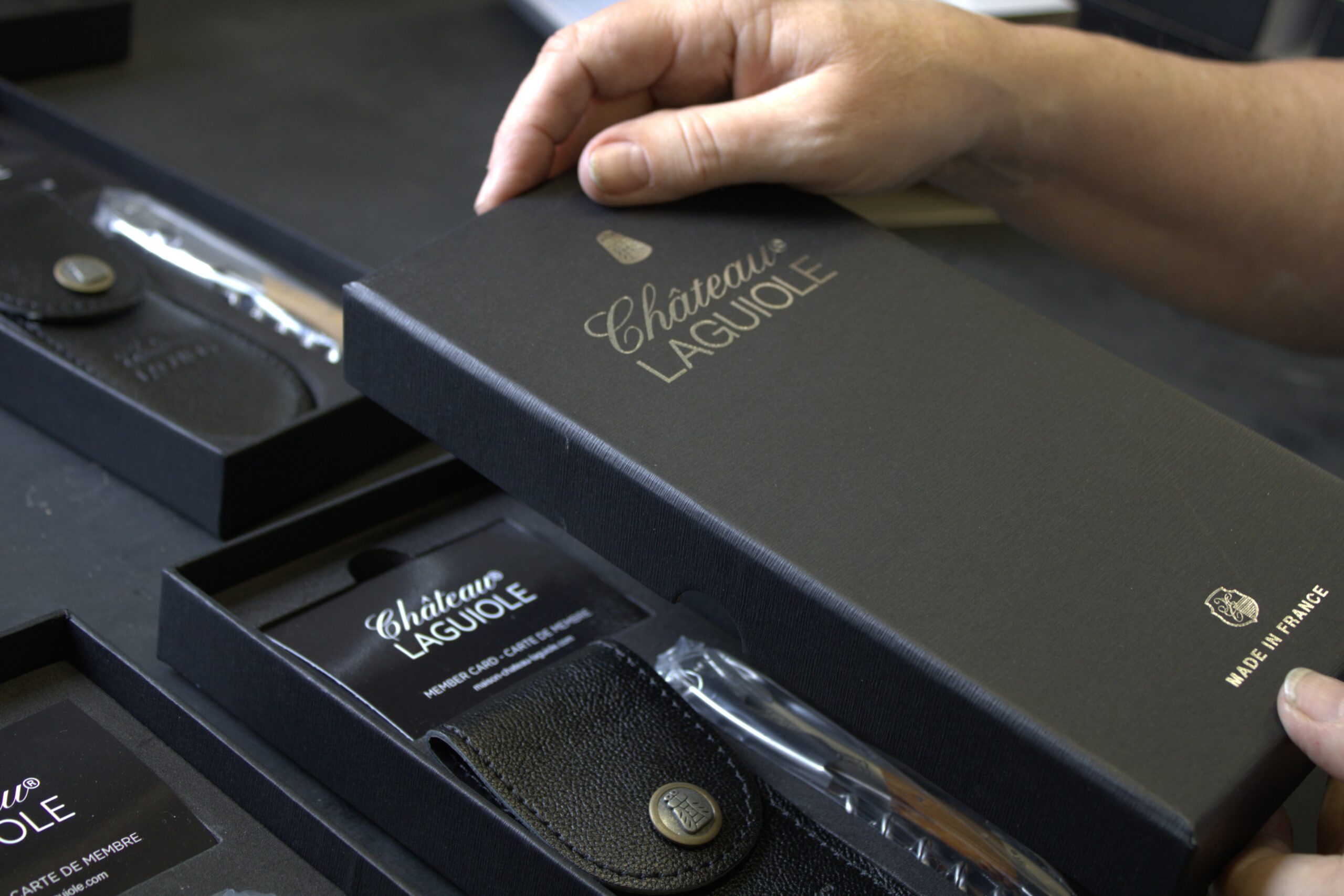
There is a moment, before the cork yields and before the wine breathes, when the sommelier’s hand rests for just a fraction of a second on the handle of the corkscrew. Most guests never notice it. But those who do — and those who have held between their fingers a Château LAGUIOLE® sommelier knife dressed in mammoth ivory — understand they are holding something far more than a tool.
The silhouette of the Château LAGUIOLE® sommelier knife is immediately recognisable: its slender profile, the forged bee resting on the spring, the purity of a design that fits perfectly in the palm. These are not details shaped by fashion. They are the DNA of a sommelier knife imagined and created by a Sommelier for Sommeliers.
Over the decades, the most exceptional pieces from Château LAGUIOLE® have pushed the boundaries of craftsmanship to venture into territory that borders on the archaeological, in the most literal sense.
A handle born 10,000 years before the vine
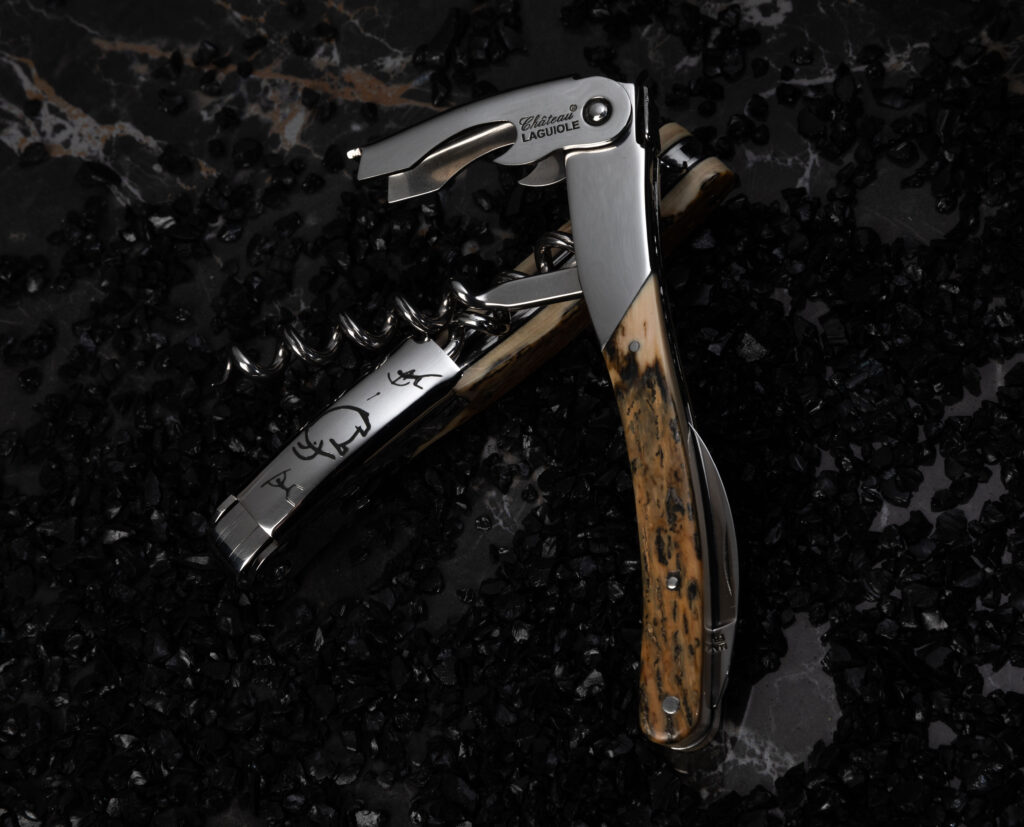
Fossilised mammoth ivory is not a material one sources easily. Extracted from the Siberian and Alaskan permafrost, the tusks of woolly mammoths that disappeared 10,000 to 40,000 years ago are excavated, catalogued, and released in strictly limited quantities. Each piece is unique in its colour, its density, the history inscribed on its surface. It is neither horn, nor resin, nor a material that can be mass-produced. Its extraction threatens no living species and disturbs no ecosystem: it is the earth itself that delivers it, after millennia of conservation in the permafrost. A precious and irreplaceable material, whose absolute rarity is the ultimate guarantee of its unique character.
Château LAGUIOLE® works with two distinct expressions of this material. The first is mammoth ivory pulp — the dense, creamy white core of the tusk, prized for its almost luminous finish and silky texture. Polished to perfection, it captures light in a way that makes the knife seem lit from within. The second is mammoth ivory crust — the outer cortical layer of the fossilised tusk. Rougher, more characterful, marked by the natural fissures and minerals accumulated over millennia, it gives each handle an irreducibly singular face. No two pieces are alike. No two pieces could be.
For the sommelier, this singularity is not merely aesthetic. It speaks to the same values that drive the profession: a keen sense of terroir, respect for rarity, and the conviction that beautiful objects deserve to be held with care and attention.
The bee, the spring, and the hand that chisels them
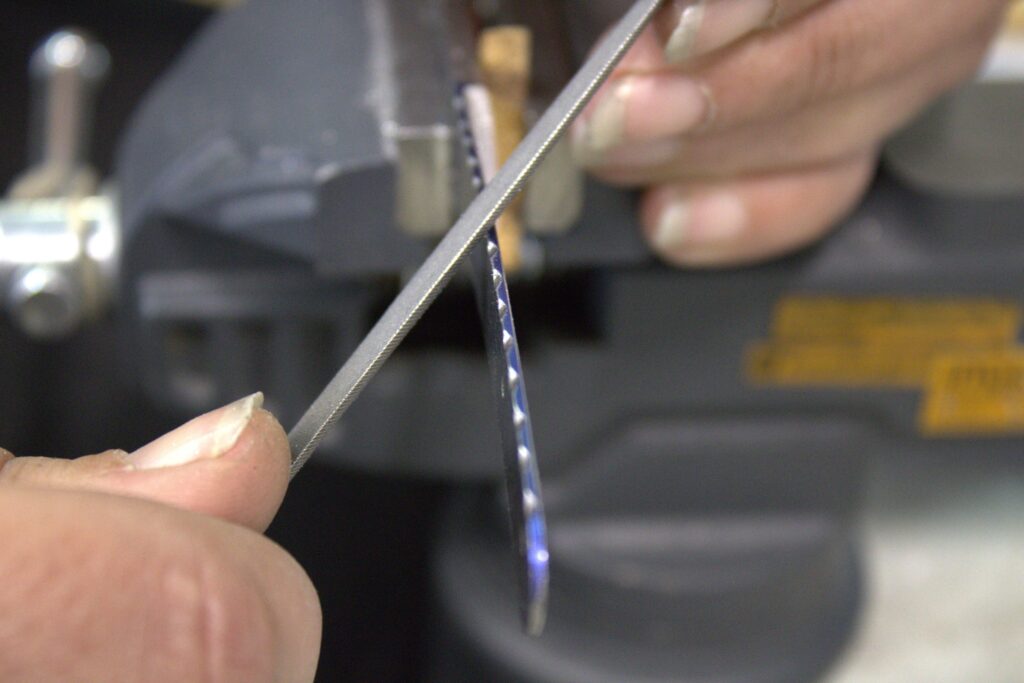
To understand why the handle material matters so much, one must first understand what surrounds it. The Château LAGUIOLE® sommelier knife is built around hand-chiselled details.
The spring and liners are hand-guillochéd to reveal an elegant engraving that refines the beauty of the object. This single operation can take hours on a prestige piece. The famous bee, which has become one of the symbols of Laguiole cutlery, is forged in one piece with the spring. Each piece is shaped by the pressure of the craftsman’s hand, which leaves its mark on these unique creations.
Beyond mammoth: a world of rare handles
Mammoth ivory may be the most striking material in the Château LAGUIOLE® palette, but it is not the only one. The house and its allied craftsmen have explored a range of materials that share one quality: they cannot be mass-produced.
Abalone mother-of-pearl, with its iridescent play of colours shifting from silver to rose, through green and blue depending on the angle of light, produces handles of extraordinary delicacy. Dense black ebony creates a counterpoint of gravity and elegance. Thuja burl and ironwood burl, born from the knots and growths of the tree, reveal natural patterns of unique richness and complexity. Carbon fibre, by contrast, brings the language of contemporary precision into the tradition, its woven surface catching light differently at every angle.
What unites these choices is the philosophy behind them: the sommelier’s knife, handled many times a day, presented on the world’s finest tables, must itself be an object worthy of the bottles it opens. A sommelier knife held in hand before a starred table is not invisible. It is seen. It is sometimes admired. In that moment, it also says something about the house and the professional holding it.
Collecting the uncollectable
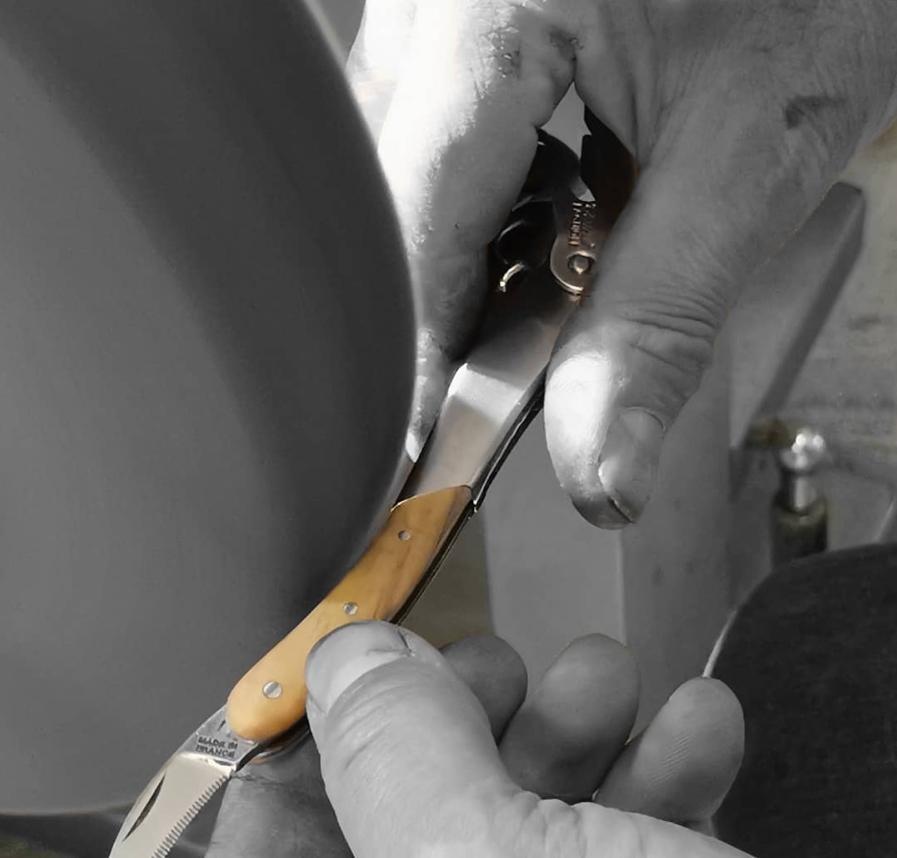
The prestige pieces of Château LAGUIOLE® occupy a particular category in the luxury goods market, but they are above all professional tools, designed to be used. The corkscrew helix, in polished steel, ensures clean penetration and fluid extraction. The foil cutter, micro-serrated or not, offers a precise cut. The lever is perfectly balanced. Every detail is designed for service, and it is precisely this functional rigour that establishes their legitimacy as exceptional professional tools.
And yet, certain pieces are collected as rare bottles are. The parallel is not coincidental: in the world of fine wine as in that of exceptional cutlery, rarity and terroir are the foundations of value. Château LAGUIOLE® has made this the heart of its creation: steel, rare materials and the skill of the hand as expressions of a unique terroir. It was with this spirit that Guy Vialis created Château LAGUIOLE® in 1993, the world’s first professional luxury sommelier knife and the first Laguiole sommelier knife. His ambition was to design a knife conceived by a sommelier for the demands of wine service — a luxury tool worthy of the greatest bottles. More than thirty years later, the brand remains the most recognised sommelier knife in the professional world and continues to accompany sommeliers in many countries.
For the sommelier who uses one of these pieces, the sommelier knife becomes part of professional identity in the deepest sense: something chosen, something rare, something with a provenance that will outlast its owner. Just like the great wines it is made to serve.