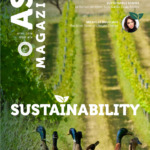
This conversation with Alejandra Ried & Paz Levinson was originally published in ASI MAG Issue #1, February 2022.
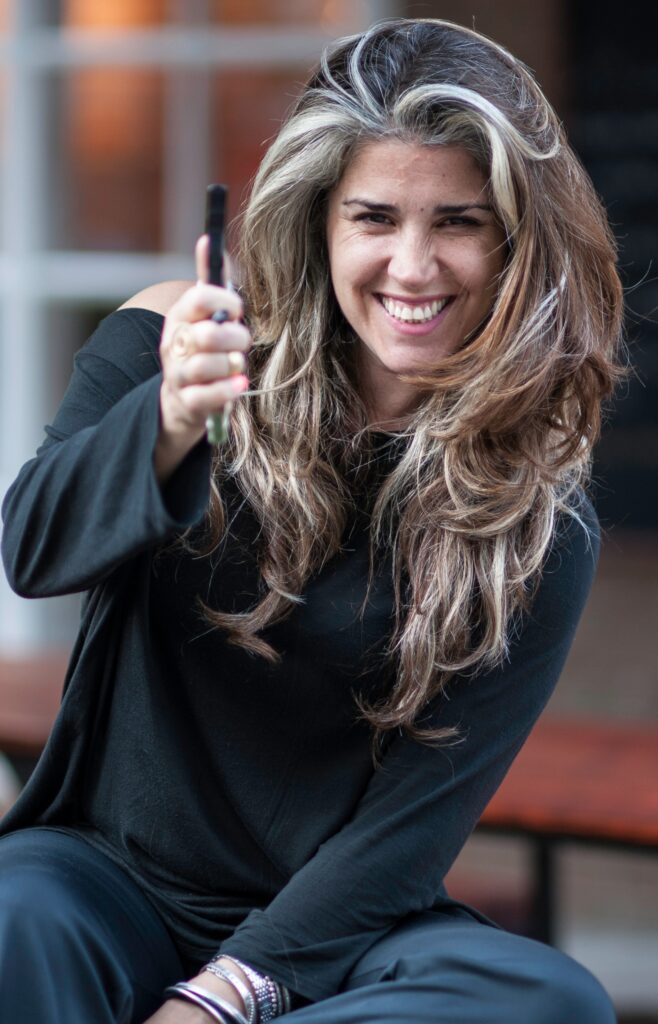
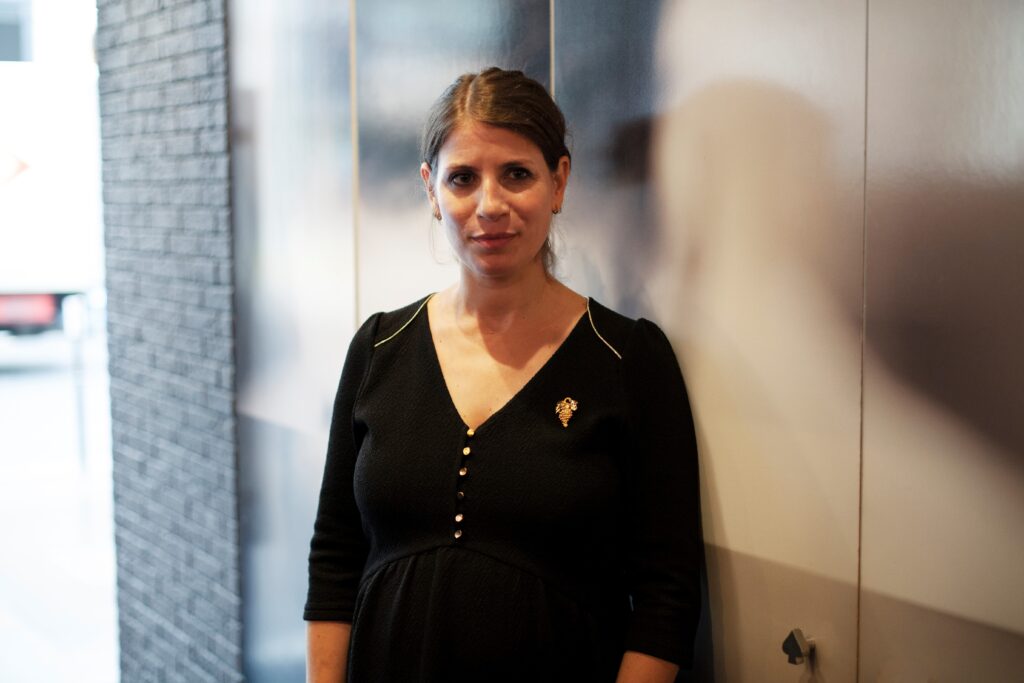
Editor’s Note: Following the ASI Best Sommelier of the Americas held in Santiago, Chile in 2022, we were inspired to create our inaugural issue of ASI MAG around the theme of sommeliers exploring new frontiers in the Americas. As we know sommeliers are trend setters, often embracing new places, new styles and new philosophies. We couldn’t think of two better sommeliers, at the time, than Alejandra Ried, then the incumbent president of The Association of Sommeliers of Chile and Paz Levinson winner of the 2015 ASI Best Sommelier of the Americas contest and fourth place finisher at the 2019 ASI Best Sommelier of the World contest to be our guest editors. Paz makes her home in France, working as Executive Sommelier at Groupe Pic, and at the time was a valued member of the ASI Sommelier Contests Committee. Over the coming days, weeks and months, we will post articles from past magazines.
Association de la Sommellerie Internationale (ASI): When you won the ASI Best Sommelier of the Americas in 2015, you became the first South American to take the title. Do you feel like you have inspired young sommeliers in Argentina and around South America?
Paz Levinson (PL): That’s one of the reasons I was so excited to return to Chile. Winning was one of the moments of my life that was very special and important. Winning the contest was life changing as it gave me a green card to go work anywhere in the world. At the time, I was living in France, and preparing (for the contest) while there. At the time I was inspired by Veronique (Rivest) and Elyse (Lambert), who had previously won the title. After winning the title for myself I think I have had the opportunity to inspire other sommeliers in Latin America. Winning the title was very important, as it helped put the Americas on the international sommelier map. It also speaks well to the great community of sommeliers we have in the Americas.
ASI: With your win in 2015 and the great success of Martin Bruno and Valeria Gamper at the Best Sommelier of the Americas in 2018, do you think we are seeing a rise in talent amongst South American sommeliers?
PL: Yes. I think so. For Martin (Bruno) it was important for him to go to the Best Sommelier of the Americas in Chile in 2015. This gave him some invaluable experience. I think Argentina hosting the ASI Best Sommelier of the World contest 2016 was also very inspirational to the sommeliers in the region, such as Valeria. Hosting the world contest gave strength to an entire community of Latin American sommeliers.
This along with the success of Valeria (Best Sommelier of the Americas 2022), Martin, and others, will inspire a new generation. I am already seeing some new faces emerge.
As the Executive Sommelier for Ann Sophie Pic, with our eight restaurants with eight Michelin stars (as of 2026, ten stars), I’ve been privileged to have many sommeliers from South America come to France and work with me. I think of this opportunity as being like throwing a bag of seeds into some very good earth. I am excited to watch these talents grow.
Those talented sommeliers are coming from all over the Americas, not just from Argentina. We are seeing them come from Uruguay, Chile and other countries. Some people, like Valeria, who now works in Spain, are gaining great international experience but I also see a strong community of sommeliers within Argentina, sharing wines from abroad and making it possible for each other to learn and develop. I am very positive about the future of sommellerie in Latin America.
ASI: The 2022 ASI Best Sommelier of the Americas Contest was held in Chile. In addition to being a sommelier competition, it was also, in part, a celebration of the diversity of the Chilean terroir. Why was it important to incorporate some of the Chile’s other regions?
Alejandra Ried (AR): It is important to make consumers and sommeliers around the world familiar with our small producers and instill a vision of Chile, that goes beyond Santiago, and its nearby wine regions. Our young sommeliers are really pushing this new image forward and are very much responsible for connecting small producers in Chile’s outlying regions to consumers both in Chile, and abroad. I am seeing these interesting producers on wine lists here, but increasingly on the wine lists of top restaurants and wine bars around the world. In terms of specific regions, I am excited about, I’ll point to the Malleco and Osorno Valleys in the southern part of Chile and the cool climate of Limari in the north. Across the border in Argentina, I am in love with Cabernet Franc, and I also think Uruguay is doing some great things with Tannat and making some very fresh Albariño.
PL: First of all, I love Chilean wine. In France, I now have possibility to buy new wines as well as wines from established wine producers from Chile. There is a strong connection between Chile and France.
With this new raised image of Chilean wines sommeliers are now willing to pay more qualitative Chilean wine that showcases terroir. There is some great quality in Chile, and no longer seen simply as simple, everyday wines. The wines of Chile, such as Cabernet Sauvignon and fresh styles of Sauvignon are perfect for the palates of French consumers. I think we been talking about País from Chile for years, but now we are seeing how it can produce a lot of different styles and we as a community are getting more comfortable showcasing this grape, which is so important to Chile.
From Argentina, there is more and more good wines being made from Criolla Chica, and much of the credit can be given to Chile for showing us its potential. Despite there only being a few hundred hectares of Criolla in Argentina, we are seeing some very fine and delicate versions from places such as San Juan. Its success has given a boost for other grapes that were always in our vineyards but never declared in the wines. These so called “no name” grape varietals such Criolla and others are getting their own identity and due attention.
In Argentina, we are also getting much stronger with our white wine production. We are now producing white wines with our own identity such as some really great Sémillon, Sauvignon Blanc and Chardonnay from high elevation mountain vineyards in the Andes. We are also seeing some exciting wines made from Torrontés, vinified in unique and different ways. I am also encouraged about the number of wines from both Chile and Argentina being made via low intervention methods.
Producers such as Miguel Torres and others are also leading the way in terms of sustainability and organic viticulture. This idea of sustainability is also being extended to the financial sustainability of the grape growers.
Further abroad, I have recently had some very good wines from Uruguay including some very well-made Albariño and Riesling. I have also had some very serious Riesling from Brazil, made in very natural ways.
If we have a strong community of sommeliers, it helps winemakers created a strong community. Together we are making a sustainable wine community.