India has long been described as a sleeping giant in the world of wine. That framing feels increasingly outdated. What is unfolding today is not a market waiting to be awakened, but one that is already on an upward trajectory, driven by a young population, rising disposable income, more moderate views on alcohol consumption and a growing curiosity about wine and hospitality.
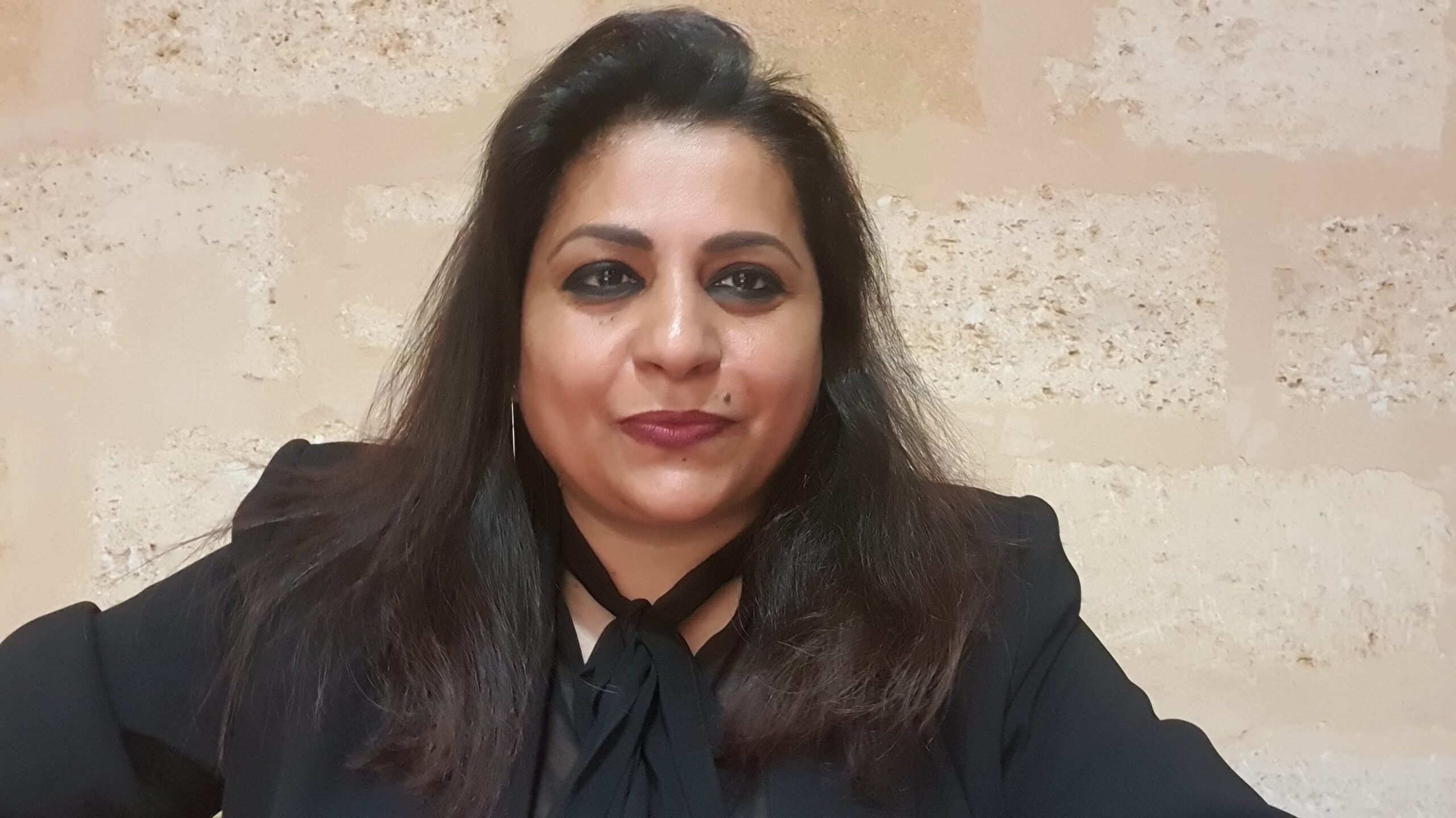
In a recent conversation, ASI spoke with Amrita Singh, President and Co Founder of the Sommelier Association of India. Her story, and the story of the association itself, offers a compelling lens into how quickly things can change when energy, structure and international collaboration come together at the right moment.
The origins of the association are, in many ways, telling. At the ASI World Championship in Paris in 2023, Amrita found herself asking a simple question. Who is the best sommelier of India. The answer, or rather the absence of one, revealed a gap that felt increasingly difficult to justify.
“I said, you know, we are 1.4 billion people. We’re the largest, not only the population, but we are the youngest population… and how come it’s not represented yet.”
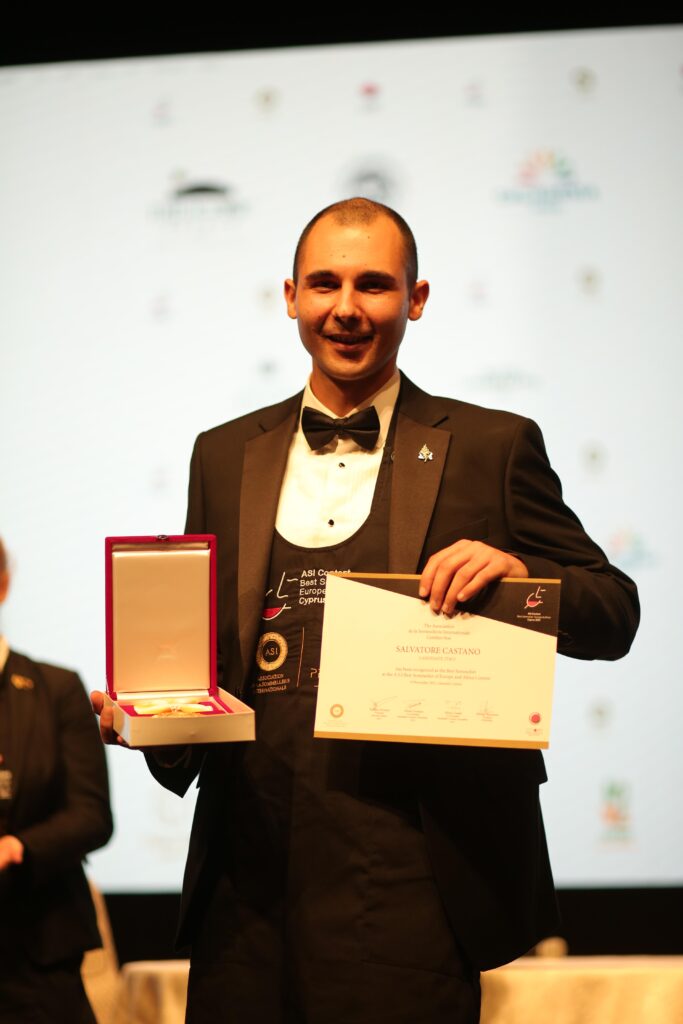
What followed was not a tentative exploration but a focused build. Working alongside Mattia Antonio Cianca and Salvatore Castano, both familiar names within ASI, and supported by Vinod Abrol on the operational and compliance side, the team set about creating something that had never existed in India before. A non-profit association aligned with ASI standards, built within a regulatory environment that is anything but simple.
From early 2023 to January 2024, the Sommelier Association of India took shape. By February of that year it was formally accepted into ASI at the General Assembly in Monaco.
“We worked very closely… to actually create what was required as an association because India never had a not-for-profit sommelier association.”
For a country of that scale, it was a significant step forward, but only the beginning.
What has followed is, by any measure, impressive.
“We have now over 200 members… approximately 110 sommelier members and the rest are business professionals and enthusiasts.”
That number, while modest in global terms, reflects something more important than scale. It reflects intent. It reflects momentum.
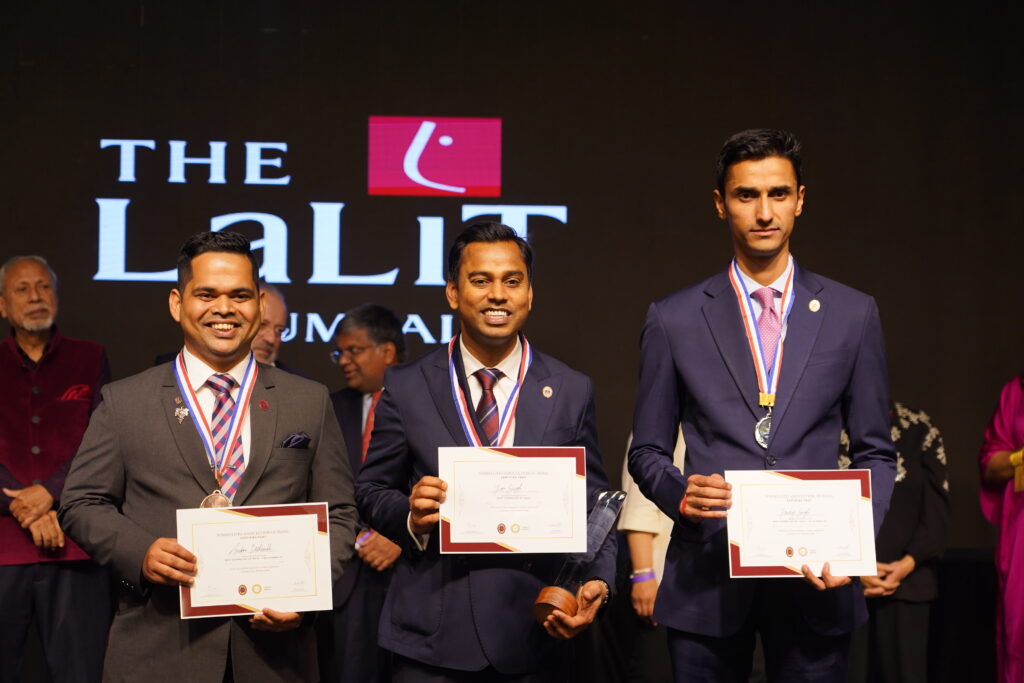
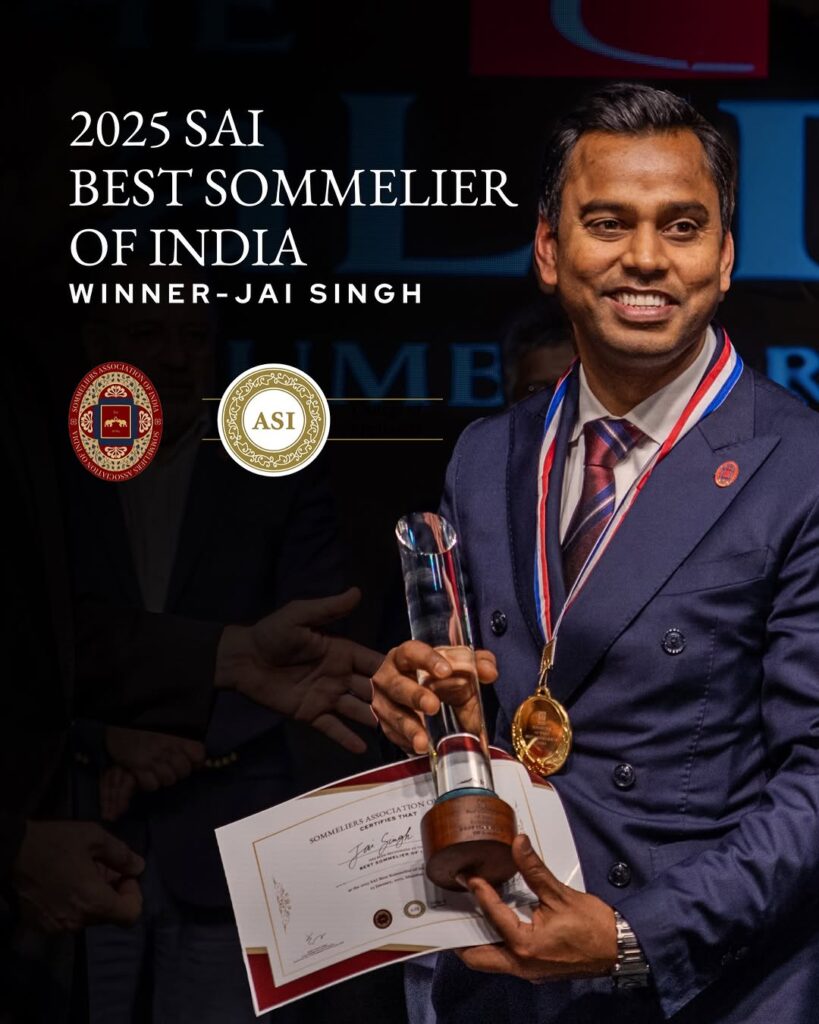
The structure has been deliberate. Membership, education and competition. The three pillars that underpin ASI globally are now active in India. The country has already hosted its first ASI Diploma and Certification Level 1 exams, with a full calendar now in place. The first Best Sommelier of India competition has taken place, with the winner, Jai Singh, already representing the country internationally.
If the numbers tell one part of the story, the broader context tells another. India is now the third largest alcohol market in the world, yet according to Singh wine accounts for only around one percent of consumption. For some that figure alone would suggest limitation, but others, like Singh seek it as potential growth.
“Wine is just 1 percent market share now… but in the next five to seven years it is going at almost 17 percent CAGR (Compound Annual Growth Rate), which is the highest growth category.”
The drivers are not difficult to identify. India is young. The average age sits around 27. Disposable income is rising. Exposure is accelerating through technology and increased travel outside the country.
According to Singh, “it’s a very young, dynamic, evolving population… the entire middle class, upper middle class is on the rise.”
A generation that did not grow up with wine at the table is now discovering it on its own terms. That absence of tradition, often seen as a limitation, is in many ways an advantage.
“I think the most important thing is that there are no rules. So today when people are experimenting, they’re not going by rules… they’re just going by what tastes better for them.”
From a sommelier’s perspective, this creates both opportunity and challenge. The opportunity lies in shaping a culture that is still being defined. The challenge lies in education. Not simply in the technical sense, but in explaining what a sommelier is and what the role represents.
“The entire culture of being a sommelier… still most people don’t know the definition or what we do… it’s still a long way for us to go.”
That remains one of the most immediate barriers. Outside the industry, the distinction between a sommelier, a waiter and a bartender is not always clear. Even within the industry, the profession is still finding its footing. Hospitality is growing, but it has not yet reached the point where families actively encourage their children to pursue a career in sommellerie.
And yet, the interest is there. Hospitality schools are producing students who are eager to specialise. Professionals are seeking certification. Enthusiasts are engaging with wine in ways that go beyond casual consumption.
“Education is very important… people want to achieve those targets, they want to pass those exams, they want to have those pins.”
This is where ASI’s framework becomes particularly relevant. The ability to provide structured, globally recognised pathways through Certification, Diploma and competition offers something that can scale beyond major urban centres. It provides a language and a standard that can be understood across a country as vast and diverse as India.
There is also a practical dimension. Cost matters. Accessibility matters. The association is actively working to ensure that entry into ASI programmes remains within reach.
“I think ASI already is very competent… the entry price point is almost negligible if you compare with world standards.”
Perhaps one of the more telling indicators of progress came through the first national competition. Fourteen candidates, half based in India and half working internationally across markets such as Italy, Dubai, Singapore and beyond. Indian sommeliers returning, or at least reconnecting, to compete under their national banner.