
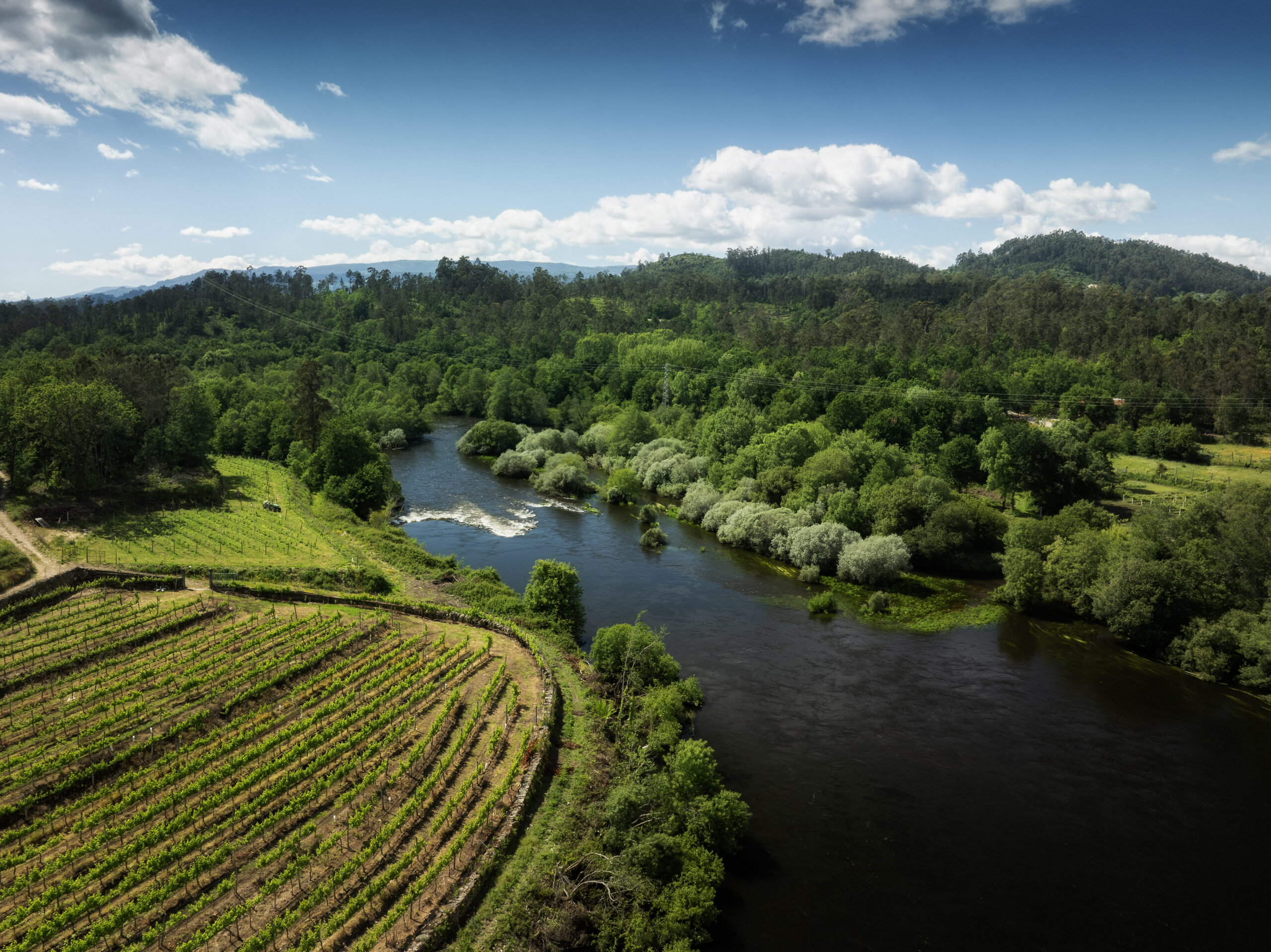
In the northwest of Portugal lies one of the country’s most dynamic wine regions, Vinho Verde. Its proximity to the Atlantic, combined with a diverse range of grape varieties and soils, as well as abundant rainfall, allows for the production of wines in a wide variety of styles. From the classic profile for which the region is known — moderate to low alcohol, vibrant acidity, and a slight spritz — to a broad spectrum of still and sparkling wines with a strong sense of place and deeper expressions, the region offers wines crafted with varying degrees of intervention and technical precision. It is the richness and quality of the region’s raw materials, together with local know‑how, that make this dynamic diversity of wine styles possible. With this in mind, I will first revisit what natural wines are, and then place into perspective which elements of Vinho Verde’s terroir facilitate this approach and which aspects pose greater technical challenges.
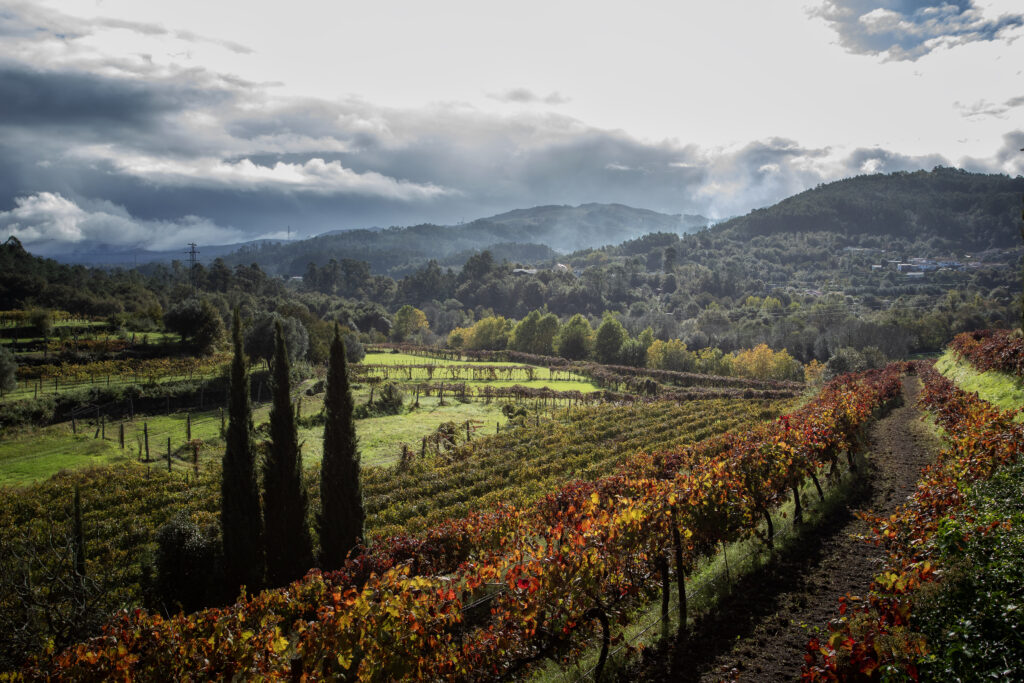
The absence of a legal definition for natural wines should not cloud our understanding of them. This movement originated in Beaujolais (France) around the 1960s and has since gained global relevance, interpreted through different perspectives and philosophies. It is a form of production closely tied to a way of life — commercially significant and internationally recognized. Wines produced under this mindset aim to convey the character of their place of origin and grape variety (or varieties) with the least possible human intervention in the transformation from must to wine. Yet intervening less, in the winery, requires great attention and considerable work, in the vineyard. These wines typically come from grapes grown with a strong eco‑conscious approach, whether through organic or biodynamic farming. As with any wine, they undeniably begin in the vineyard. In the winery, the transformation from grapes to must relies entirely on the native microbiological population, without additions or corrections using commercial products. Sulphur management is minimal and restrained, as are other cellar operations. These are artisanal wines, crafted with devotion and care, with the primary goal of expressing origin. Different terroir conditions can either facilitate or challenge this approach — one that demands greater dedication in the vineyard and minimal intervention in the cellar — a balance that is not always easy to achieve.
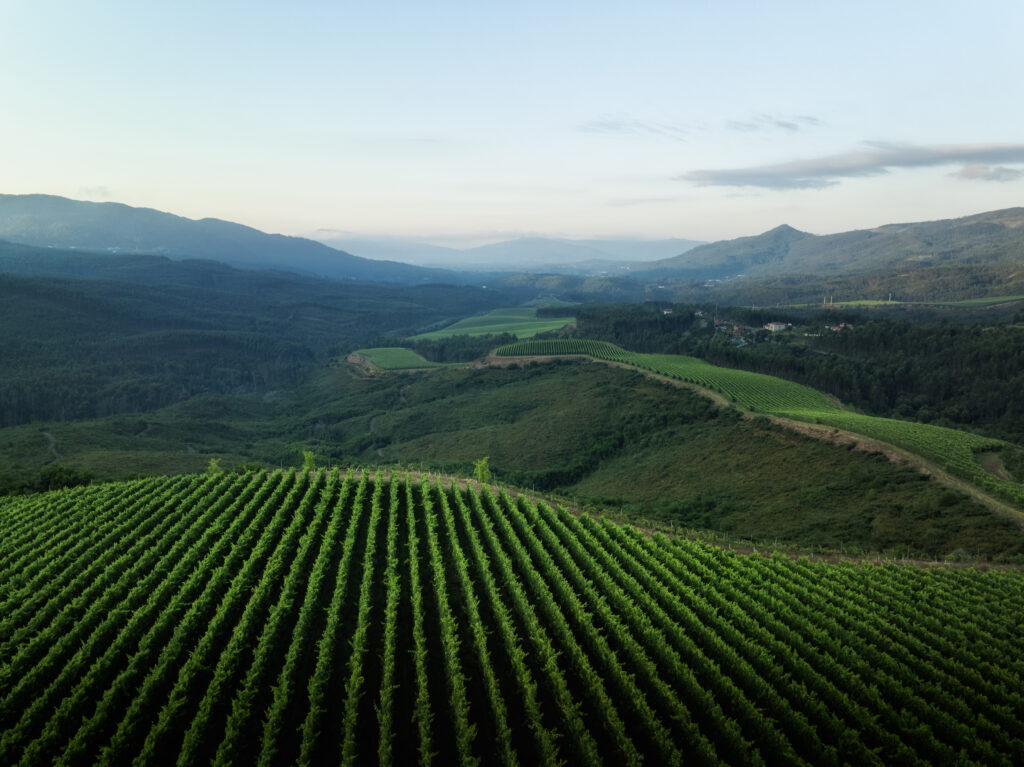
One of the greatest strengths of the Vinho Verde region for producing low‑intervention wines is its wide range of grape varieties with naturally high acidity, such as Alvarinho, Arinto, Avesso, Azal, Trajadura and others. These varieties often yield low pH levels, which facilitates wine preservation when little or no sulphur is added. Another natural advantage of the region, alongside its high acidity, is the naturally moderate to low alcohol levels, which allow for light wines with lively tension — a profile well suited to this set of techniques. Perhaps the greatest advantage, which underpins both the high acidity and moderate alcohol, is the diversity of soils and micro‑terroirs throughout the region. Poorer granite soils, the rare schist pockets, and the higher‑altitude inland areas allow for lower yields and reduced pressure from fungal diseases. In theory, more continental‑influenced sub‑regions such as Monção e Melgaço (focused on Alvarinho), Baião (near the Douro River and strongly associated with Avesso), and Amarante (with higher altitude and cooler nights) may offer more favorable natural conditions for this technical approach.
In contrast to these advantages, the greatest challenge may arise from what is often considered the region’s biggest global asset: the abundant rainfall (around 1,200 mm annually in average). As the wettest region of Portugal, the pressure from cryptogamic diseases is immense. Coastal areas, deep‑soiled valleys, and zones with higher productivity face particularly high disease pressure, making viticulture extremely demanding. Producers must maintain meticulous vineyard management, with more frequent treatments — especially in organic farming. This viticultural tension persists throughout the year but intensifies during ripening and harvest due to the risk of rot, which can significantly affect grape quality and disrupt the balance of the native microbial population, jeopardizing wines that rely on spontaneous fermentations. Following this reasoning, the more coastal sub‑regions (Lima, Cávado, and Ave), where relative humidity is naturally higher, present greater challenges for this set of techniques.
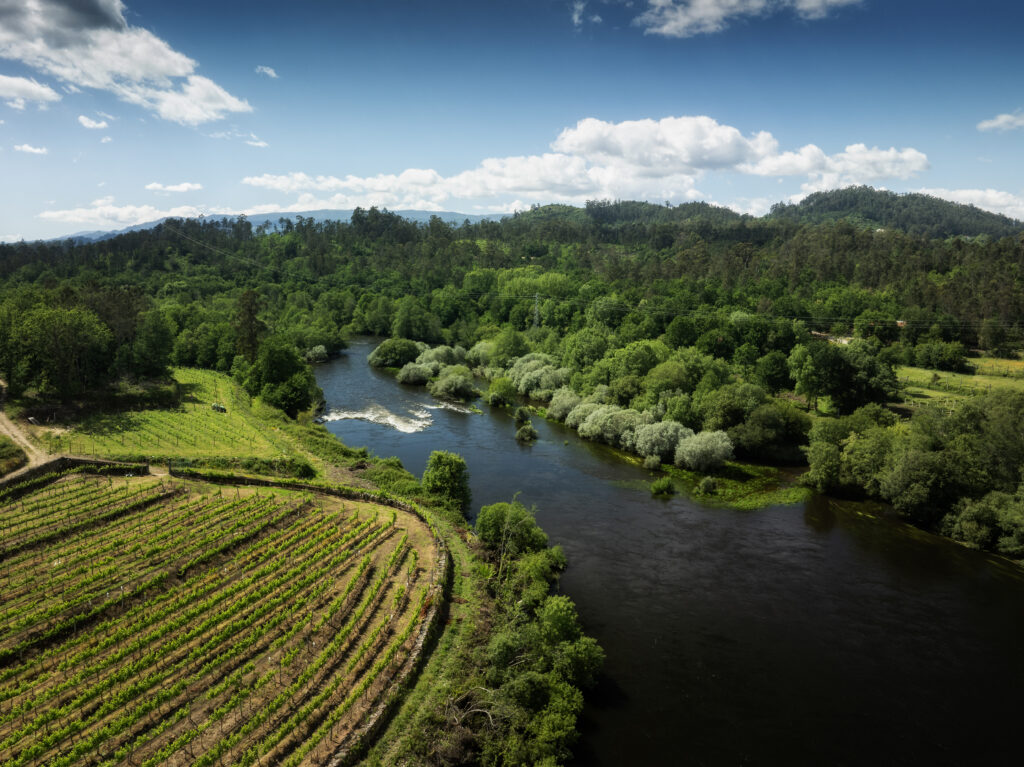
The Vinho Verde region has strong potential for producing wines with minimal oenological intervention, and there are excellent examples of such wines. However, it is also a region where this type of production faces significant challenges. The diversity of high‑acidity grape varieties, combined with more continental sub‑regions, is a major advantage. Another great strength of Vinho Verde is its regional plurality — expressed in its landscapes, its people, and its ways of thinking. The region is home to both conventional producers and others who favor low‑intervention approaches, forming a symbiosis that reflects this diversity. As in the art of blending, the sum of these different parts (ways of thinking and acting) creates a whole that is stronger and more valuable than each individual component. The global audience for natural wines consists of consumers with strong environmental awareness, who seek transparency and authenticity of terroir, and who value traditionalist‑leaning processes — but with quality. This region is well positioned to meet these expectations, offering a wide range of approaches reflected in the many wine styles it brings to life.
Tiago Macena – 14/04/26