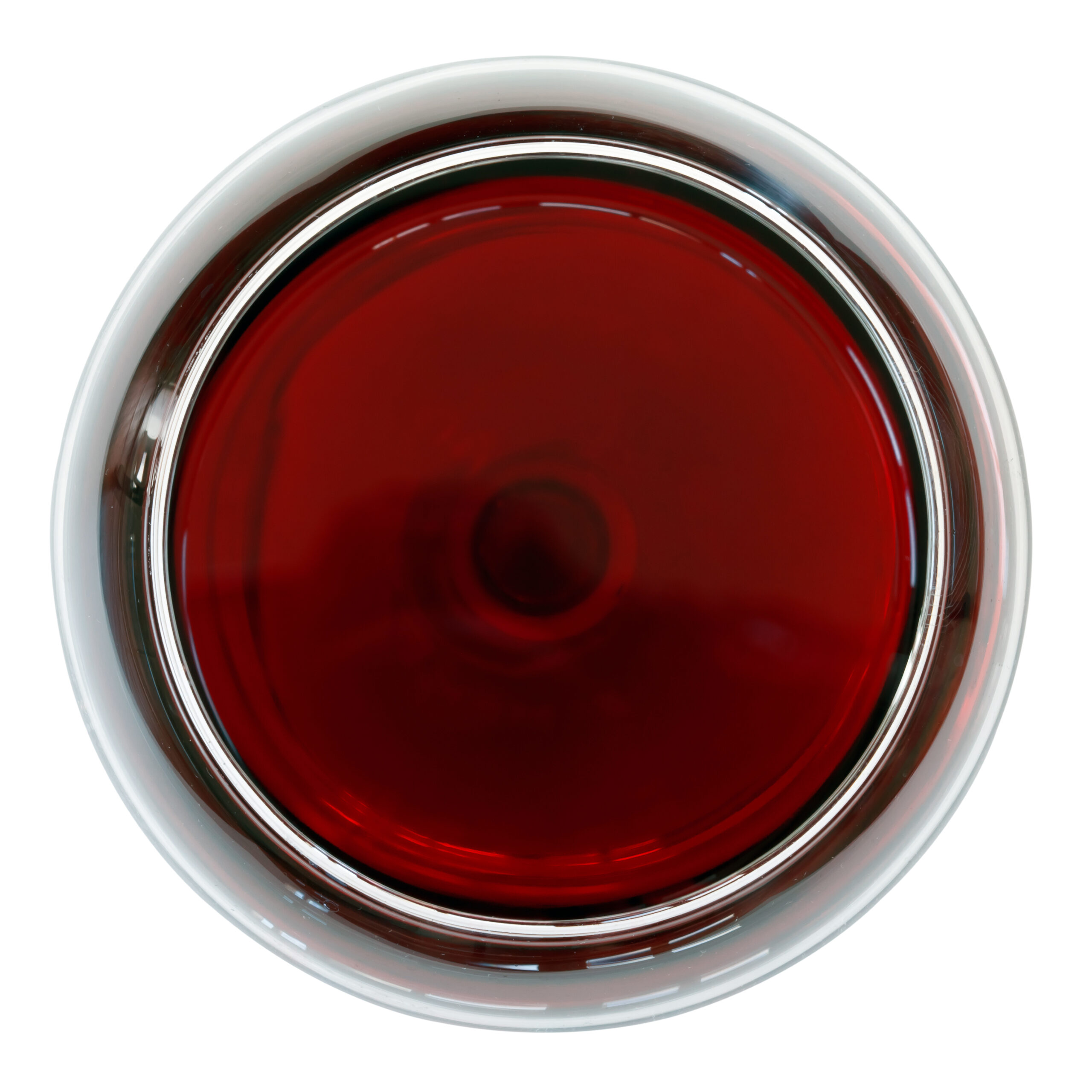
In my glass today are wines that even just fifteen years ago I might have dismissed without trying, or certainly sipped with a hint of hesitation and mistrust.
I came of age in a wine world defined by certainty. The benchmarks were clear and widely agreed upon. A South Australia Shiraz prized for its bold fruit, pepperiness and eucalyptus hints. They were big, mouth-filling and consistent. Napa Cabernet Sauvignon spoke with confidence and structure, with currant and mint notes mingling seamlessly with rich, ripe tannins and moderate acidity. Chardonnay, whether from Burgundy or beyond, carried an expectation of shape, texture and intent. Then came New Zealand Sauvignon Blanc, electrifying in its aromatic clarity with a grocery list of aromas that included grapefruit, passion fruit, freshly mown grass and subtle hints of bell pepper.
These were wines that fit neatly into the grids, exams, typicity charts and, perhaps most importantly, our collective understanding of what quality tasted like.
Authenticity, as I was taught, lived within very defined lines. A wine was true if it reflected its place and grape in a way that aligned with expectation. Precision mattered. Technical correctness mattered. Cleanliness was non-negotiable. If a wine strayed into volatility, reduction, Brett or anything resembling instability, it was not a curiosity, it was a problem. As sommeliers, our role was to protect the guest from those problems.
Then, somewhere around 2010, the ground really began to shift. What was in the 1990s and early 2000s a subculture reserved for the corners of big cities like New York and Paris became a global phenomenon. The rise of what came to be called natural wine did not arrive as a gentle evolution. It felt, at times, like a rejection. Suddenly, the conversations moved away from what was in the glass to how the wine had been made. Vineyard practices, ambient yeasts, minimal intervention, low or no sulphur. These were not entirely new ideas, but they were being framed as a counterpoint to the very standards many of us had built our careers upon.
I will admit, my early encounters left me sceptical. There were too many glasses confidently placed in front of me by eager young sommeliers, often with a sense of quiet defiance, as if they were offering access to a truth I had somehow missed. And too often, those wines were not convincing. Mousy. Volatile. Unstable. Vins de Pays made ‘naturally’ presented with the reverence once reserved for the classics. It was difficult not to feel that the pendulum had swung too far, that faults were being reframed as features, and that the discipline of the craft was being dismissed in favour of ideology.
For a time, I found myself disillusioned. Not by the idea of farming responsibly or fermenting with intention, but by the erosion of a shared language. If everything could be justified by process, where did that leave the glass itself?
But something has changed in the last five years. The noise has quieted, or perhaps I and other sommeliers of my generation have learned how to listen differently. What has emerged is a clearer distinction between natural wine as an aesthetic and natural wine as a philosophy. The former, at its peak, became a style: cloudy, edgy, often unpredictable, sometimes compelling, sometimes not, often relying on a colourful label and an Instagram campaign. The latter, however, is something far more enduring. It is a return to farming with respect, to winemaking that seeks to translate rather than transform, to a restraint that is not about doing less for the sake of it, but about doing only what is necessary.
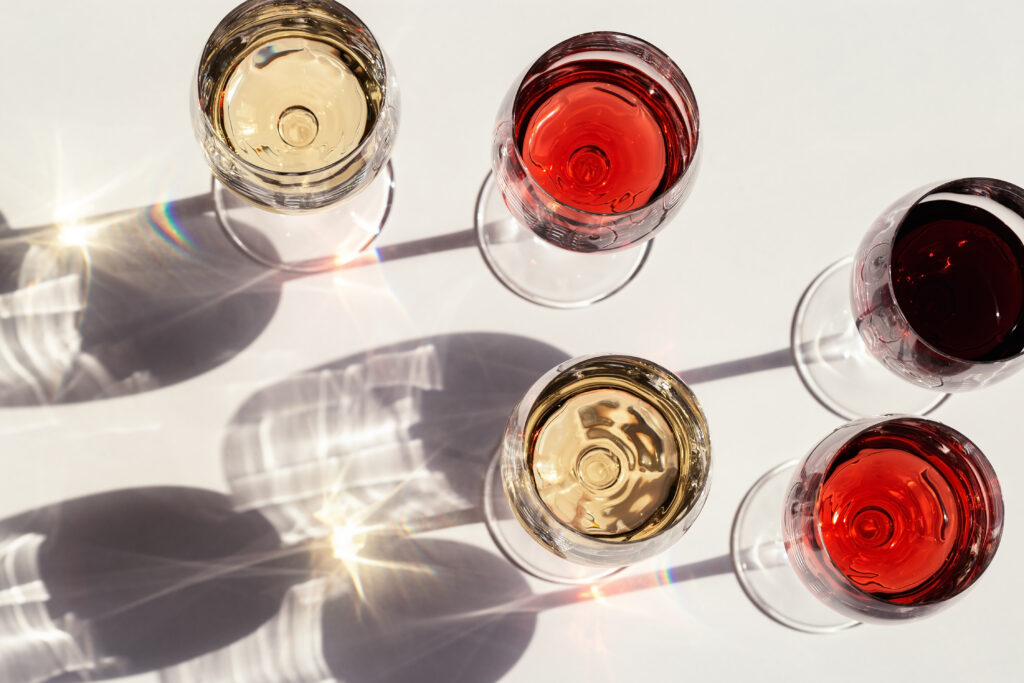
In my glass now, I find wines that carry this philosophy without sacrificing coherence. They may be less polished, but they are not careless. They may be different, but they are not defined by their difference.
As sommeliers, this evolution asks something more of us. What is typicity? What is authenticity? It asks us to expand our understanding of wine. To recognise that typicity is not fixed, but neither is it irrelevant. To understand that a wine can be both technically sound and expressive in ways that fall outside the classic moulds. And perhaps most importantly, it asks us to recalibrate our relationship with fault. Not to excuse it, but to contextualise it.
I do not believe the role of the sommelier has changed as much as it has been challenged. We are still here to guide, to interpret, to translate. But the language we use has broadened, and the tasting charts we once embraced are no longer defined by hard lines.
Has this new evolution of ‘natural’ wine allowed us to embrace the perfections of imperfection, to accept that personality may at times matter more than conformity, without having to treat faults as stylistic intent or virtue?
In my glass, then, is not just wine, but a reconciliation. It is a reminder that what once felt like disruption can, over time, become integration. And that the most interesting place to stand is often not at one end of a spectrum, but somewhere in between, where curiosity is balanced by experience.
In the end, what matters is not whether a wine fits the framework we were taught, but whether we are willing to keep refining that framework, glass by glass.