There is a moment in every emerging sommelier culture when imitation gives way to identity. For Taiwan, that moment is not approaching. It is already underway.
Speaking with Howard Hao-Chun Hsia, President of the Taiwan Sommelier Association, one quickly understands that Taiwan is not attempting to replicate a European model of sommellerie. Instead, it is expanding the definition.
Rooted in classical wine knowledge yet shaped by a broader cultural understanding of flavour, Taiwan’s sommeliers are building something more fluid, more interdisciplinary, and perhaps more reflective of how people actually eat and drink today.
“We try to be ahead with the trend,” Hsia explains, “but we are still closely observing what the trend is, how the market is changing. We are fast learners. We adapt.” That balance between observation and innovation sits at the heart of Taiwan’s growing influence.
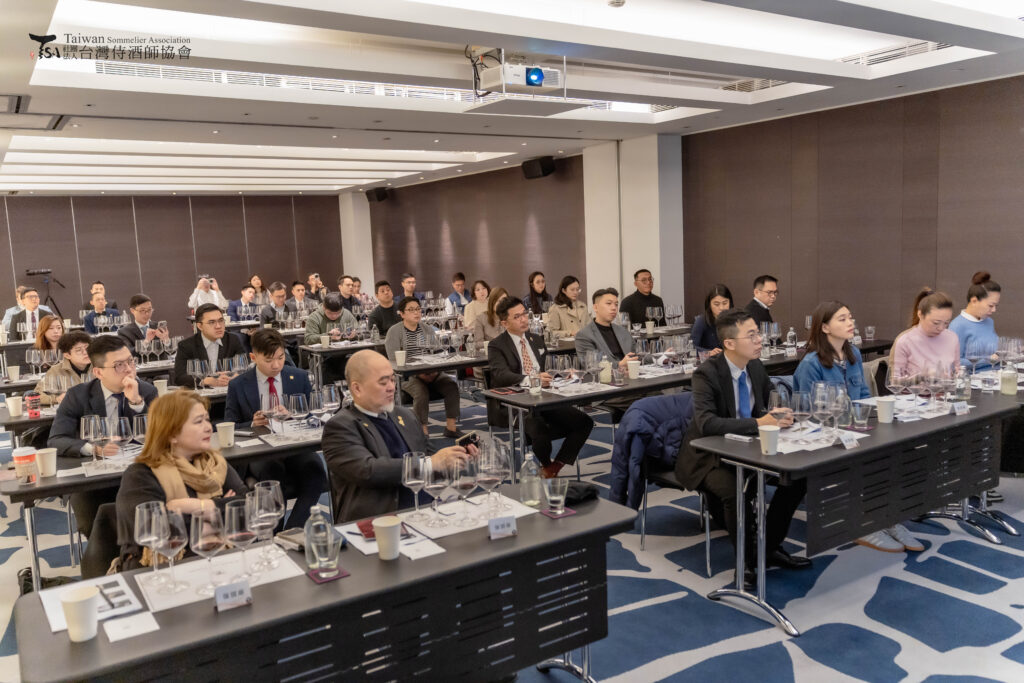 The Taiwan Sommelier Association, founded in 2010, remains intentionally small, with just 76 members. It is a conscious decision. “We are keeping it very simple, only professional working sommeliers are able to join,” Hsia notes. “We keep ourselves small, but we dive deep.”
Within that depth lies a strong connection to the Association de la Sommellerie Internationale (ASI). Taiwan’s engagement with ASI has provided structure, international benchmarking, and a platform for exchange.
But the relationship is not one-directional. Taiwan is increasingly contributing its own perspective to the global conversation, particularly as it prepares to host the ASI General Assembly. “I just want to bring Taiwan to the world and showcase what we have,” Hsia says. “Most of our ASI member country presidents have not been to Taiwan at all. It would be their first time.”
This sense of invitation, of opening a cultural and culinary dialogue, is central to Taiwan’s approach.
Perhaps the most defining characteristic of Taiwanese sommellerie is its refusal to be confined to wine alone. “I want to promote the idea that a sommelier is a profession, not limited to knowledge of a single beverage. They can have deep knowledge of wine, but they have to know other beverages as well,” Hsia explains. “In the restaurant you design the beverage list, not just the wine list, including beer, spirits and non-alcoholic drinks.”
This philosophy reflects Taiwan’s broader cultural context, where beverage knowledge has never been singular. Tea, in particular, plays a foundational role. Through the ASI General Assembly, the local association intends not only to showcase its tea heritage, but to formalise it within a sommelier framework. Delegates will receive pre-arrival coursework, visit tea plantations, and complete structured tastings and examinations, an approach that mirrors wine education but introduces a different sensory logic.
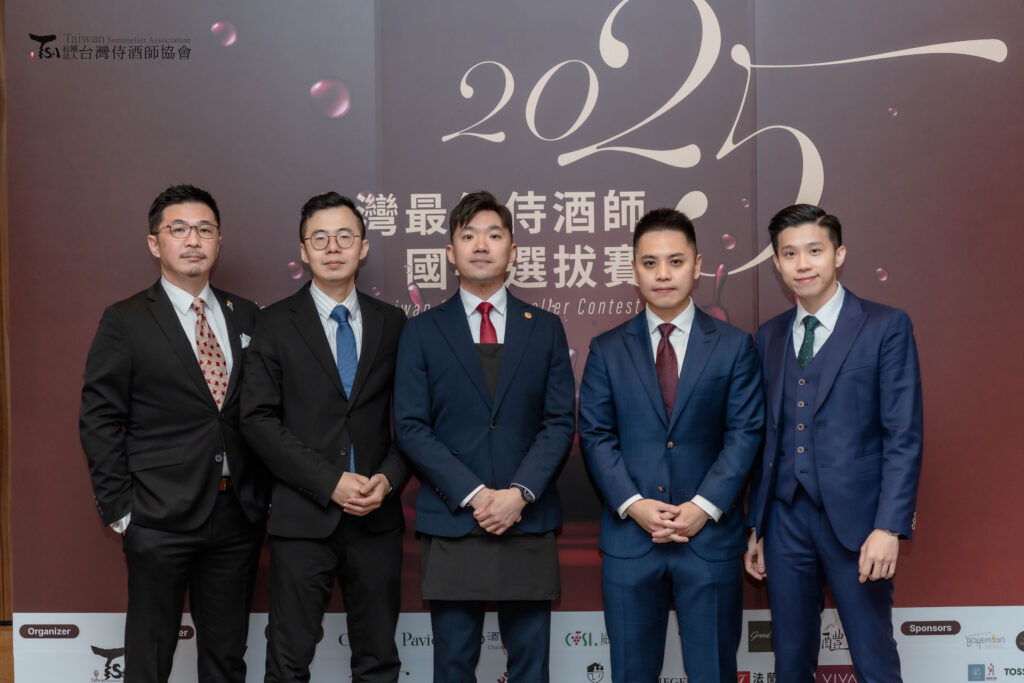
“We will visit a tea plantation, taste different types of teas to link up our knowledge and also our senses,” Hsia explains. “In the end, if they pass the test, they will receive a government recognised certificate.”
The statement is clear. The sommelier of the future may need to think well beyond the grape.
Taiwan’s culinary landscape reinforces this evolution. Few regions offer such a dense interplay of influences, including Chinese, Japanese, Southeast Asian, and indigenous traditions, combined with a modern, globally informed dining culture. The result is a cuisine that is both deeply rooted and constantly shifting.
For sommeliers, this creates a unique challenge. Classic Western pairing frameworks often rely on singular logic: acidity against fat, tannin against protein. Taiwanese cuisine, by contrast, frequently combines sweetness, umami, spice and texture within a single dish. It resists simplification.
Hsia sees this complexity as an opportunity. “We want everyone to have experience in the pairing, especially with our locally produced wines, spirits, and also some sake,” he says. “We produce a lot of fruit wines which provide something new, something different from traditional grape-based wine pairings.”
Even more striking is the integration of multiple beverage categories within a single pairing progression. “When we have a pairing dinner in Taiwan, we can have wine but also some sake; what type of water you use, or what type of tea you serve at the end are all part of the experience,” Hsia explains. “We really have a very complex and interesting pairing experience.”
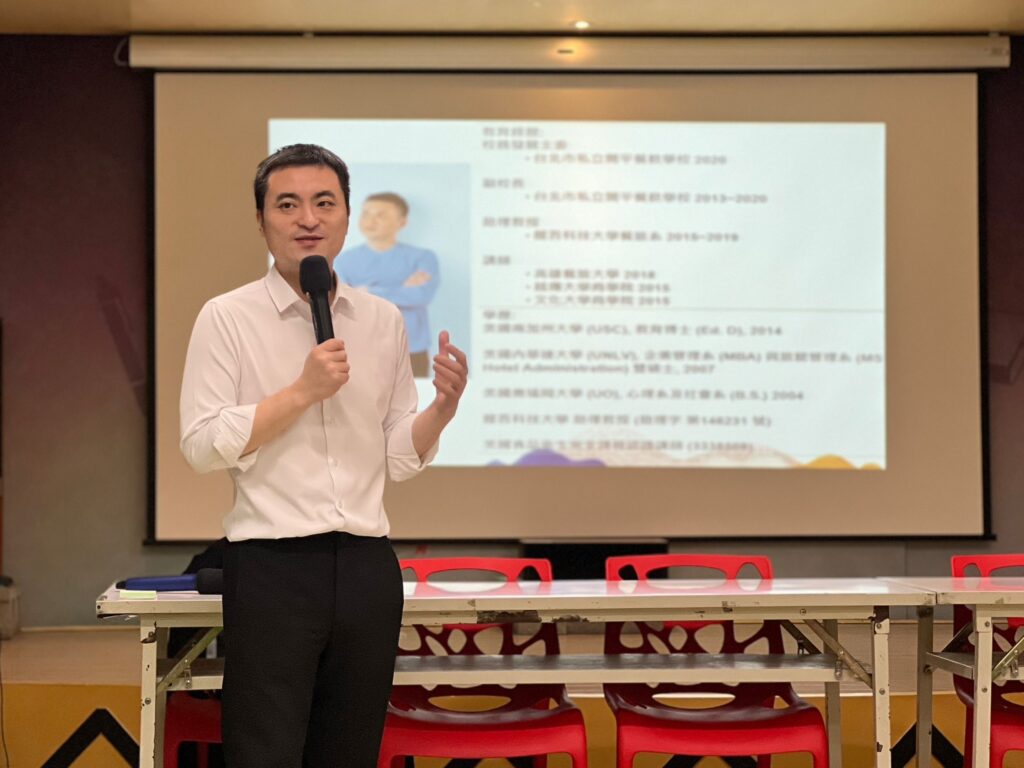
This diverse approach is one of the elements Hsia is most excited to showcase during the ASI General Assembly.
One of the most compelling aspects of Taiwan’s culinary identity lies in the relationship between street food and high gastronomy. “The GA will definitely showcase local delicacies, local tastes,” Hsia says. He encourages visiting sommeliers to immerse themselves in the culture, recommending they experience the night market to enjoy flavours that are both traditional and authentic.
In Taiwan, as in many parts of the world, fine dining does not exist in a vacuum. It evolves from everyday cooking, from markets, from family traditions. The sommelier, in turn, must be able to navigate both ends of that spectrum, pairing not only structured tasting menus, but also the informal, vibrant flavours of the street.
It is an exciting time for sommellerie in Taiwan. The development of the profession over the past 15 years has been rapid. “At first we only had about five sommeliers,” Hsia recalls. “Now we have 76 sommeliers.” It is not a huge number, but that is intentional, as the association focuses on professional, working sommeliers.
While Taiwan has its elder sommelier mentors, Hsia notes, “there’s a lot of young sommeliers on the rise. Many of them have already passed their advanced sommelier or received their ASI Diploma. Our national competition is actually quite competitive.”
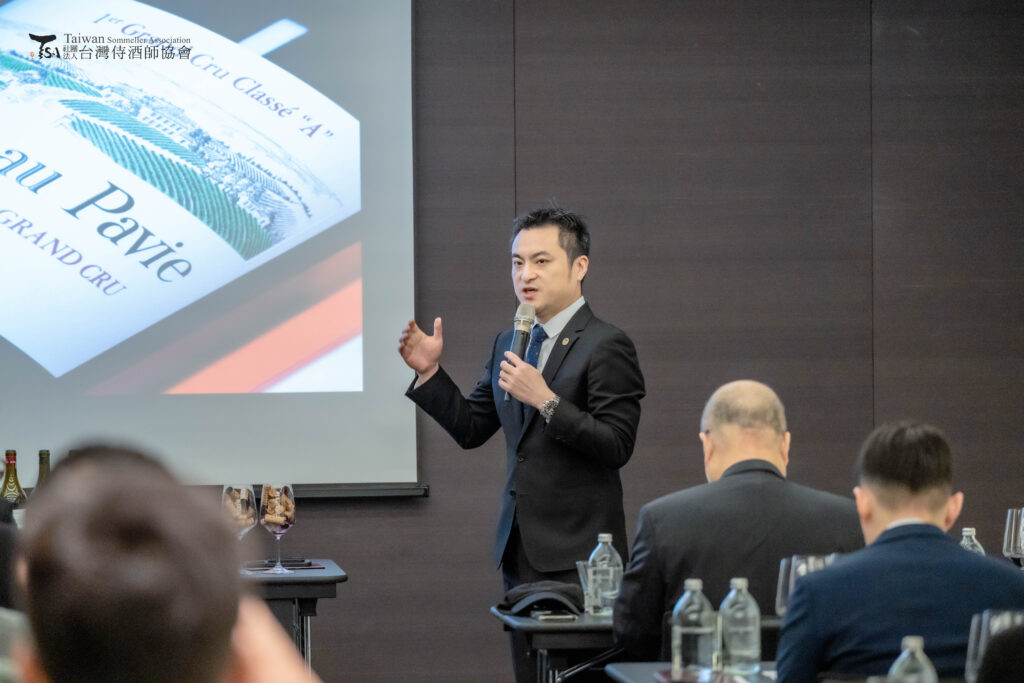
Taiwan has already begun to see representation at the highest levels, including strong performances at international competitions. But what is perhaps more significant is the depth behind those individuals, a pipeline of talent shaped by both global standards and local context.
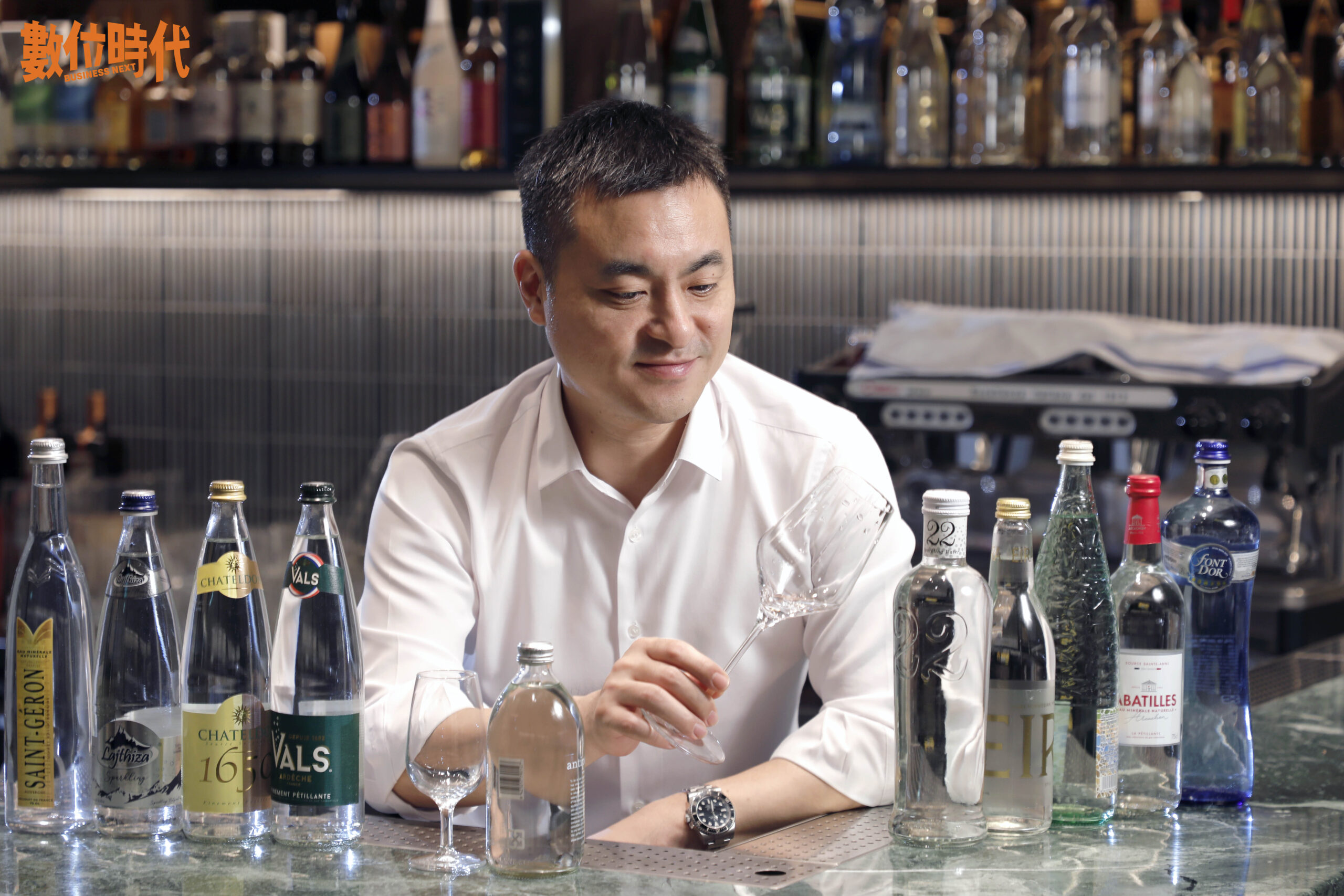
If Taiwan’s sommellerie has a defining theme, it is expansion. This is evident not only in tea and sake, but also in areas rarely emphasised elsewhere. Hsia himself has been a driving force behind the promotion of water as a serious discipline. “I’ve been promoting water. We also certified water sommeliers in Taiwan,” he explains. “So far we have a hundred or so.”
Alongside this, the association has introduced competitions and education in tea and sake, reinforcing the idea that beverage expertise is not singular, but interconnected. The result is a sommelier who is less defined by category and more by sensory intelligence, an ability to understand how different liquids interact with food, with each other, and with the broader dining experience.
As Taiwan hosts the global sommelier community, the objective is not simply to impress, but to resonate. “I want this event to be very memorable and also meaningful,” Hsia reflects. “When they go back to their country, they can promote tea as well.”
It is a modest statement, but one that carries weight. The ambition is not to redefine the profession, but to expand it, with new ideas, new perspectives, and new ways of thinking.
For a profession long anchored in tradition, Taiwan offers something quietly transformative: a reminder that sommellerie is not static. It evolves with culture, with cuisine, and with curiosity.